Ever notice how nature sneaks into our everyday conversations? We talk about being "fresh as a daisy," having a "budding romance," or feeling like we're "walking on sunshine." These little expressions aren't just random words we throw around – they're nature idioms that paint vivid pictures in our minds and connect us to the world outside our windows.
Nature idioms are like verbal shortcuts that everyone understands. They take complex feelings and situations and wrap them up in imagery that's as familiar as your backyard garden or the local park. When someone says they're "blooming where they're planted," you instantly know they're making the best of their current situation. It's poetry hiding in plain sight.
The best part? These expressions make your conversations more colorful and memorable. Instead of saying someone is successful, you can say they're "bearing fruit." Instead of calling someone energetic, they're "full of beans." Let's go into 25 nature idioms that'll help your words grow roots and really connect with people.
5 Weather and Seasons That Shape Our Feelings
Weather idioms capture those universal human experiences we all share. We've all had days that feel like storms and moments that shine like sunshine.
When life gets tough, we naturally reach for weather words to describe our inner climate. These expressions help us share our emotional forecast with others in a way that's both relatable and comforting.
1. Under the weather
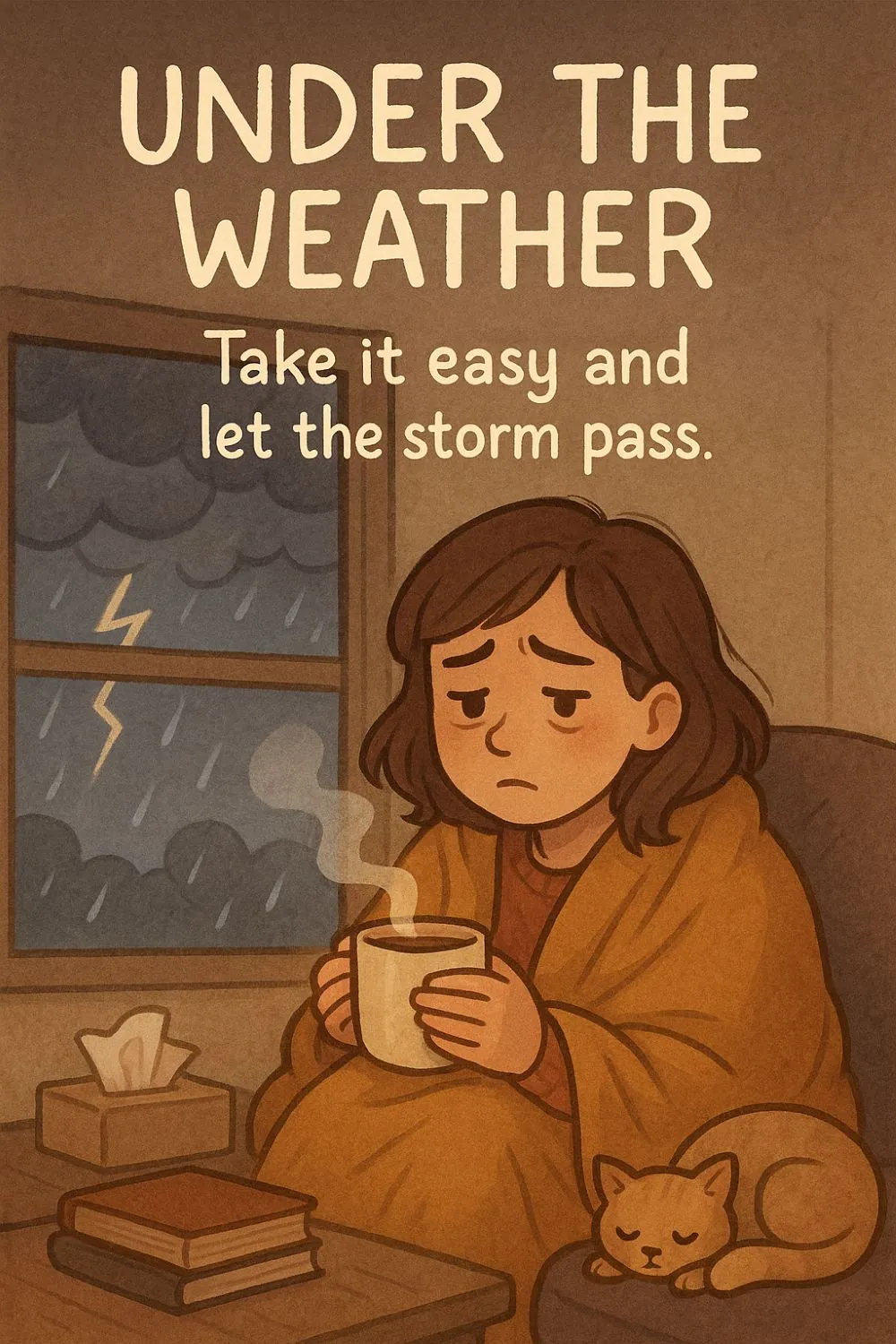
It is probably the most common way we talk about feeling off. The idiom "Under the weather" is often used in casual chats, like when you're talking with friends or family, to say you're feeling kinda crappy, usually because you're sick or just plain worn out. It's mostly thrown around in a sympathetic, "I feel you" kind of way, letting people know you're not on your A-game but without the dramatic details.
This expression humorously compares feeling unwell to dealing with bad weather, as if your health is experiencing its own little stormy day. Its origins trace back to sailors who'd go below deck (literally under the weather) to recover from seasickness caused by choppy waters. Ahoy, matey, pass the ginger ale!
Using this idiom adds a sprinkle of humor to the conversation, making your misery seem a tad more bearable and maybe even earning you a pity laugh. It captures the spirit of shared empathy and the universal "meh" feeling that everyone gets sometimes, reinforcing that it's totally okay to take a break when life feels like a raincloud.
Example 1: When Jane skipped the gym, she texted her workout buddy, "I'm feeling a bit under the weather today, might just stay in bed and binge-watch shows instead."
Example 2: After sneezing for the tenth time, Tom groaned, "I think I'm under the weather. This cold is really raining on my parade."
Example 3: Sarah called in sick to work saying, "I'm under the weather today – this flu has me feeling like I got hit by a storm."
2. Break the ice
It is your social superhero when awkward silence threatens to take over. This idiom means starting a conversation or making people feel comfortable in a tense situation. Picture those first few moments at a party where everyone's standing around like frozen statues – someone needs to break that social ice and get things flowing.
The phrase comes from the literal breaking of ice to clear shipping routes, making navigation possible. In conversation, you're clearing the path for easier communication. It's about being the brave soul who makes the first move, whether that's cracking a joke, asking about someone's weekend, or complimenting their awesome shirt.
Example 1: At the networking event, Maria decided to break the ice by asking the group, "So, what's the weirdest job interview question you've ever been asked?"
Example 2: When the new employee looked nervous during lunch, Jake broke the ice by saying, "Don't worry, we're much friendlier than we look – want to hear about our office coffee disaster?"
Example 3: To break the ice with her new neighbors, Lisa brought over homemade cookies and introduced herself with a warm smile.
3. Weather the storm
It is all about toughness and hanging in there when life gets rough. This idiom means surviving through difficult times or challenging situations without giving up. It's like being a sturdy oak tree that bends with the wind but doesn't break, no matter how hard the storm hits.
Originally a nautical term for ships surviving dangerous weather at sea, it now applies to any situation where you need to stay strong through tough times. Whether it's a bad breakup, job loss, or family drama, weathering the storm means you're not just surviving – you're coming out stronger on the other side.
Example 1: After losing his job, Mike told his family, "Don't worry, we'll weather this storm together and come out even stronger."
Example 2: The small business owner weathered the storm of the pandemic by adapting to online sales and supporting her community.
Example 3: "College is tough right now, but I know I can weather the storm if I stay focused on my goals," Emma told her worried parents.
4. Fair weather friend
describes someone who's only around during the good times but disappears when you need them most. These are the people who love hanging out when you're successful and happy but suddenly become "busy" when you're going through rough patches.
The term comes from sailors who preferred fair weather for sailing – calm seas and gentle winds. A fair weather friend is like a sailor who only wants to be on your boat when the waters are smooth. When the storms hit, they're nowhere to be found, leaving you to navigate the choppy waters alone.
Example 1: "I realized Sarah was just a fair weather friend when she stopped returning my calls after I lost my job," Amanda said sadly.
Example 2: Don proved he wasn't a fair weather friend by showing up with pizza and tissues when his buddy went through a messy divorce.
Example 3: The company discovered which employees were fair weather friends when budget cuts revealed who was truly committed to the team.
5. Every cloud has a silver lining
reminds us that even the worst situations usually have some positive aspect hiding inside them. This idiom is like nature's way of teaching us optimism – storm clouds might block the sun, but they often have bright edges that catch the light beautifully.
The phrase encourages us to look for hope and opportunity even when things seem dark. It's not about toxic positivity or pretending everything's fine – it's about training your eye to spot the potential good that might come from difficult experiences. Sometimes getting fired leads to a better job, or a breakup opens the door to real love.
Example 1: "Getting laid off was scary, but every cloud has a silver lining – now I have time to start the business I've always dreamed about," Jennifer said optimistically.
Example 2: After his car broke down, Dave realized every cloud has a silver lining when he met his future wife at the bus stop.
Example 3: The team's loss was disappointing, but every cloud has a silver lining – they learned valuable lessons that made them stronger for next season.
Plant Life That Mirrors Human Growth
Plants have this amazing way of showing us what growth and potential look like. From tiny seeds to mighty trees, nature's growth patterns mirror our own journey through life.
These plant-based idioms help us talk about personal development, relationships, and life changes in ways that feel natural and encouraging. They remind us that growth takes time and the right conditions.
6. Bloom where you're planted
is about making the best of your current situation instead of constantly wishing you were somewhere else. This idiom encourages you to thrive in whatever circumstances you find yourself in, just like a flower that makes the most of whatever soil it's given.
The beauty of this expression is that it's both practical and inspiring. It doesn't mean you should never try to improve your situation, but rather that you shouldn't waste your energy being miserable about where you are right now. Instead, focus on growing and contributing positively to your current environment.
Example 1: When Lisa got transferred to a small town office, she decided to bloom where she was planted by getting involved in local community projects.
Example 2: "I know this isn't your dream job, but try to bloom where you're planted – you might discover opportunities you never expected," his mentor advised.
Example 3: The exchange student bloomed where she was planted, learning the language quickly and making lifelong friendships in her host country.
7. Nip it in the bud
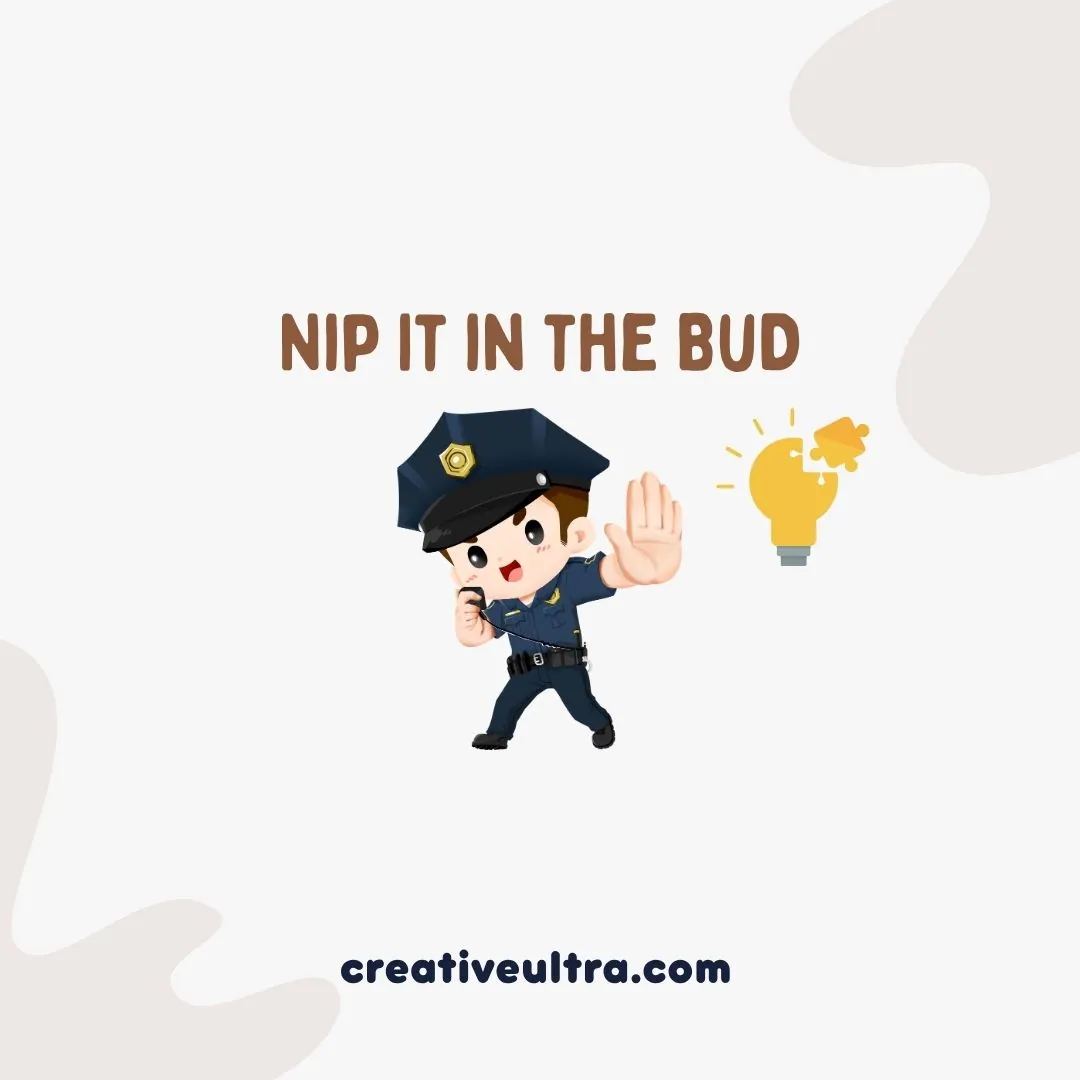
means stopping a problem before it gets bigger and harder to handle. Just like a gardener removes unwanted buds before they grow into troublesome plants, this idiom is about catching issues early when they're still manageable.
This expression is super practical for everyday life. Whether it's addressing a conflict with a coworker, correcting a bad habit, or dealing with a relationship issue, tackling problems early usually saves you from bigger headaches later. It's like being a detective for your own life, spotting trouble before it blooms into chaos.
Example 1: When she noticed her teenager starting to hang out with a rough crowd, Mom decided to nip it in the bud with an honest conversation.
Example 2: The manager nipped the workplace gossip in the bud by addressing the rumors directly in the team meeting.
Example 3: "I saw him looking at his phone during our date again, so I decided to nip it in the bud and talk about it right away," Kate told her friend.
8. Growing like a weed
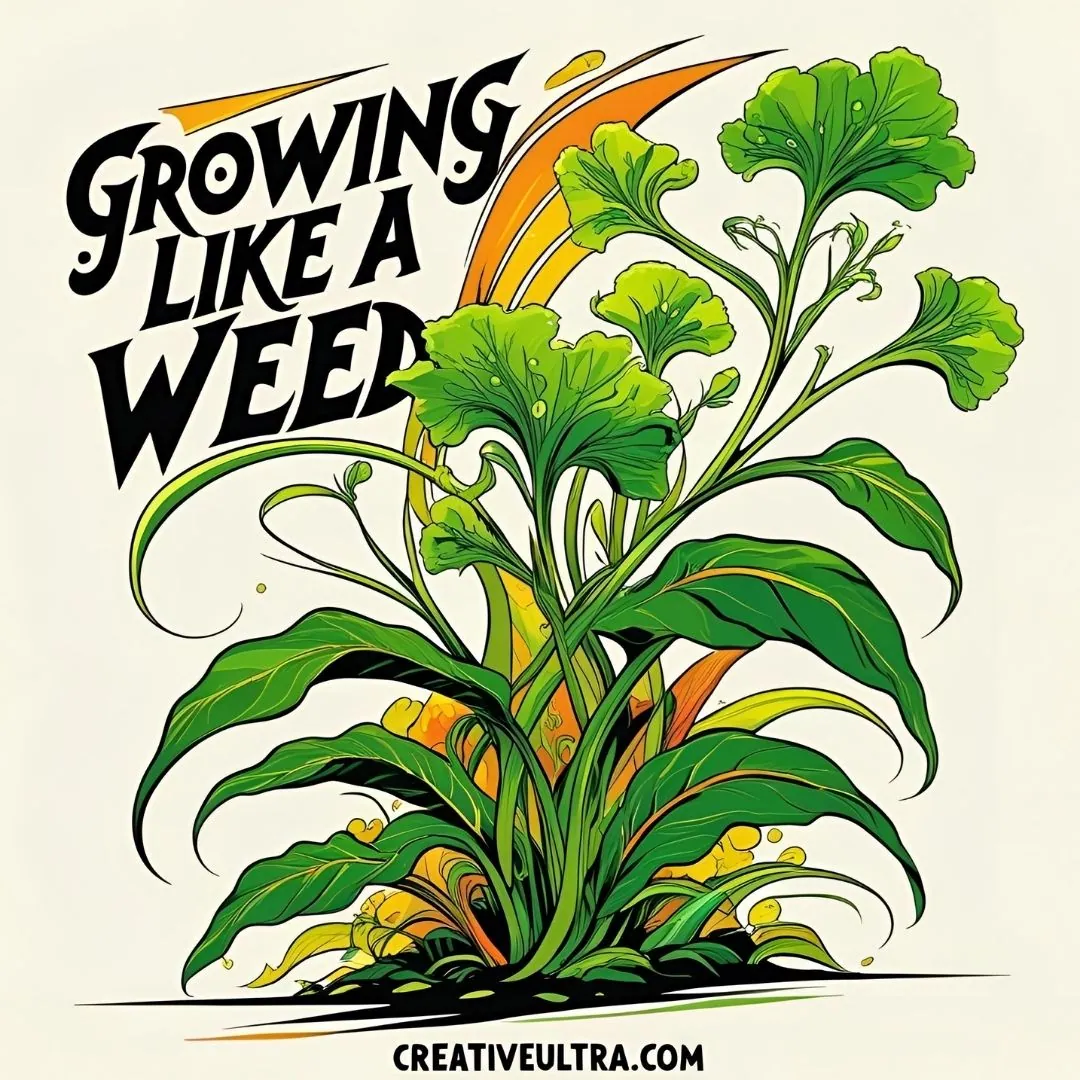
describes something or someone that's developing incredibly fast, usually in a way that's hard to control or keep up with. Just like those stubborn dandelions that seem to pop up overnight in your lawn, this idiom captures rapid, unstoppable growth.
While actual weeds can be annoying, this expression isn't always negative. Kids grow like weeds, which delights parents even as they struggle to keep up with clothing sizes. Businesses can grow like weeds too, which is exciting but can also create challenges in managing that rapid expansion.
Example 1: "I swear Tommy is growing like a weed – I just bought him new shoes last month and they're already too small!" his grandmother exclaimed.
Example 2: The startup company was growing like a weed, hiring new employees every week to keep up with customer demand.
Example 3: Her Instagram following grew like a weed after that video went viral, jumping from hundreds to thousands of followers overnight.
9. Turn over a new leaf
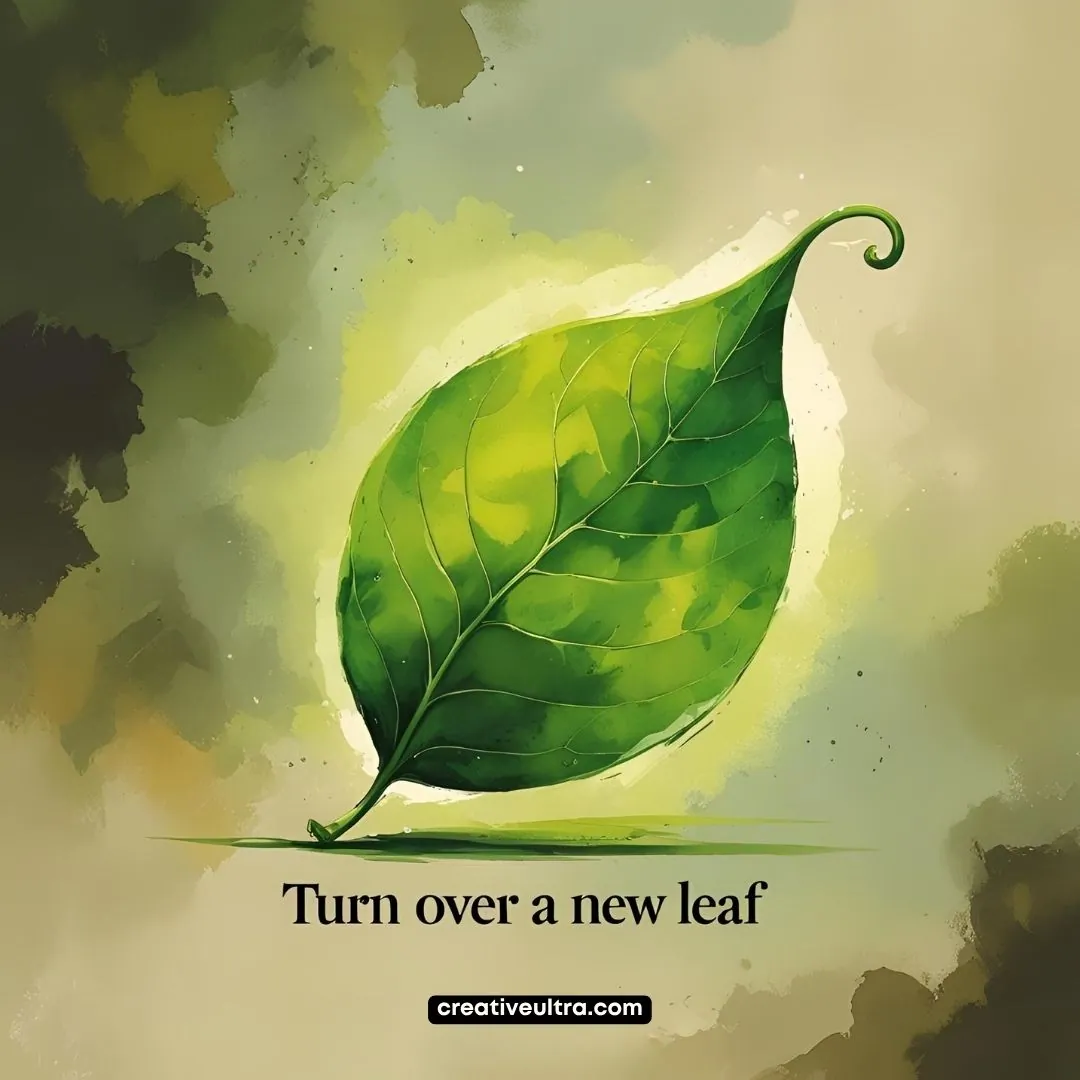
is about making a fresh start and changing your behavior for the better. This idiom comes from the idea of turning to a blank page (or leaf) in a book, giving yourself a clean slate to write a better story.
The beautiful thing about this expression is that it acknowledges that change is possible at any time. Whether you've made mistakes, developed bad habits, or just want to try a different approach to life, you can always turn over a new leaf. It's hopeful and empowering, suggesting that your past doesn't have to define your future.
Example 1: After years of procrastination, Jake decided to turn over a new leaf and start using a planner to organize his life.
Example 2: "I know I haven't been the best friend lately, but I want to turn over a new leaf and be more supportive," Maya apologized.
Example 3: The former party animal turned over a new leaf when he became a father, focusing on family time instead of nightlife.
10. Out on a limb

means putting yourself in a risky or vulnerable position, often to support someone or something you believe in. Picture yourself climbing a tree and crawling out on a branch – the further you go, the more precarious your position becomes.
This idiom captures those moments when you stick your neck out for a principle, a person, or an idea, even when it might backfire. It's about taking calculated risks and being willing to face the consequences. Sometimes going out on a limb leads to the sweetest fruit, and sometimes the branch breaks – but that's what makes it meaningful.
Example 1: The junior employee went out on a limb and presented her innovative idea directly to the CEO during the company meeting.
Example 2: "I'm going out on a limb here, but I think you two would be perfect for each other," Maria said while introducing her single friends.
Example 3: The teacher went out on a limb and defended her struggling student when other staff members wanted to give up on him.
Animal Kingdom Wisdom in Daily Life
Animals have always fascinated us with their behaviors, instincts, and characteristics. We've borrowed their traits to describe human nature and situations, creating idioms that are both fun and surprisingly accurate.
These animal expressions help us communicate complex ideas about personality, behavior, and life situations in ways that everyone can picture and understand.
11. The early bird catches the worm
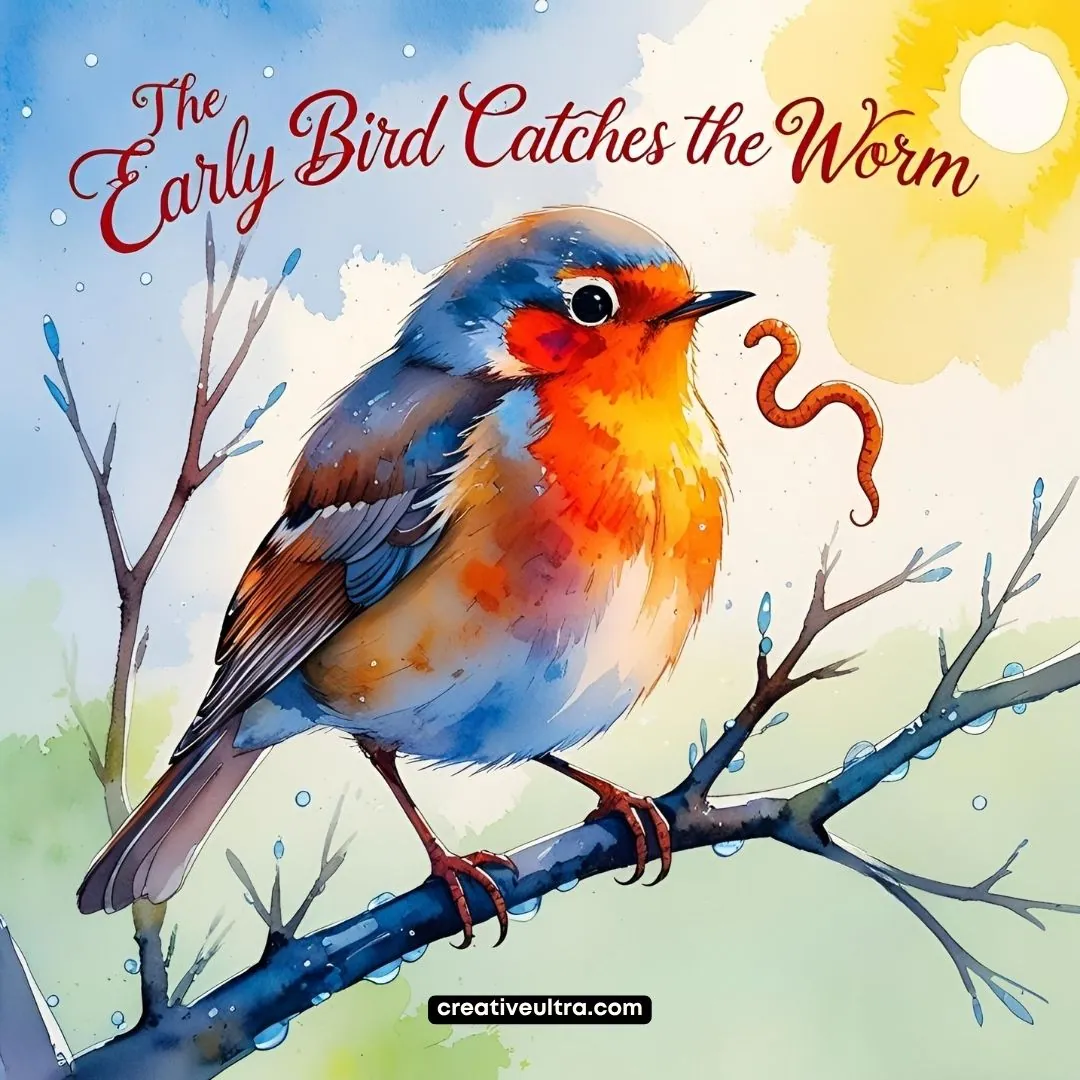
celebrates the advantages of getting up early and being proactive. This idiom suggests that people who start their day early or get to things first often have better opportunities and results than those who sleep in or procrastinate.
While not everyone is naturally a morning person, this expression is really about being prepared and taking action before others do. Whether it's arriving early to get the best parking spot, applying for jobs as soon as they're posted, or starting your workout before the gym gets crowded, early birds often get rewarded for their initiative.
Example 1: Sarah always arrived at garage sales by 7 AM because she knew the early bird catches the worm when it comes to finding the best deals.
Example 2: "I know you hate waking up early, but trust me, the early bird catches the worm – those sunrise yoga classes are way less crowded," her friend encouraged.
Example 3: The college student learned that the early bird catches the worm when he discovered that 8 AM classes had the best professors and smaller class sizes.
12. Don't count your chickens before they hatch
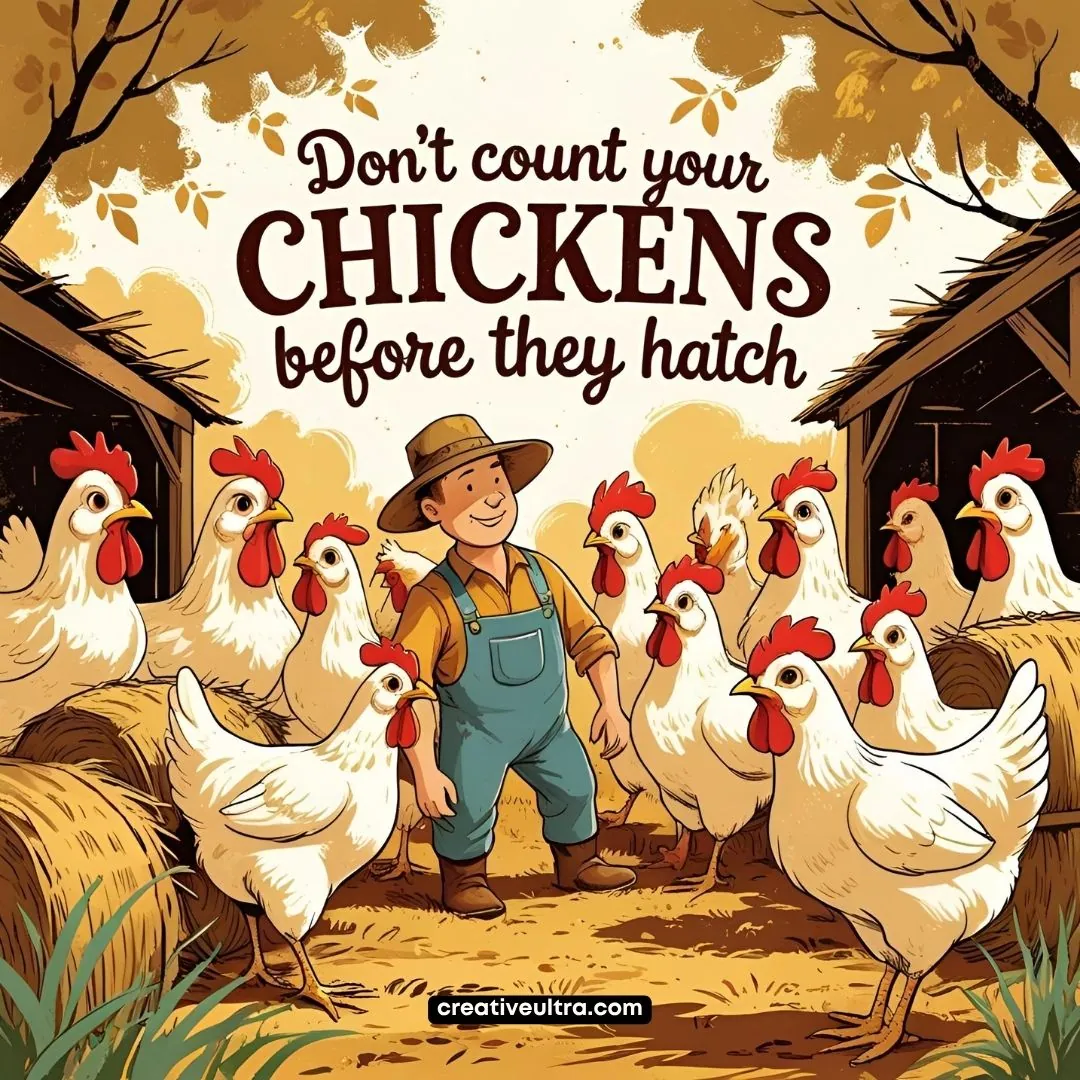
warns against getting too excited about something that hasn't happened yet. This idiom is like nature's reality check, reminding us that eggs are just potential chickens until they actually break open and reveal fluffy chicks.
The wisdom here is about managing expectations and staying realistic. While it's good to be optimistic and plan for success, counting on things that aren't guaranteed can lead to disappointment and poor decision-making. It's about finding the balance between hope and practical caution.
Example 1: "I know the interview went well, but don't count your chickens before they hatch – wait for the official job offer before celebrating," his wife advised.
Example 2: The entrepreneur was excited about potential investors, but her mentor warned, "Don't count your chickens before they hatch; keep looking for backup funding."
Example 3: "The pregnancy test was positive, but it's still very early – we shouldn't count our chickens before they hatch," the couple agreed.
13. Kill two birds with one stone
is about efficiency and smart planning – accomplishing two goals with a single action. This idiom celebrates those satisfying moments when you can tackle multiple tasks or solve several problems at once.
Modern life is busy, so finding ways to kill two birds with one stone feels like a small victory. Whether it's exercising while listening to audiobooks, networking while volunteering for causes you care about, or cooking dinner while helping kids with homework, these multitasking wins make us feel productive and clever.
Example 1: By biking to work, Jennifer killed two birds with one stone – she got her daily exercise and saved money on gas.
Example 2: The working mom killed two birds with one stone by organizing playdates that doubled as socializing opportunities for herself.
Example 3: "Let's invite the new neighbors to our barbecue – we can kill two birds with one stone by being welcoming and getting to know them," suggested Mark.
14. A bird in the hand is worth two in the bush
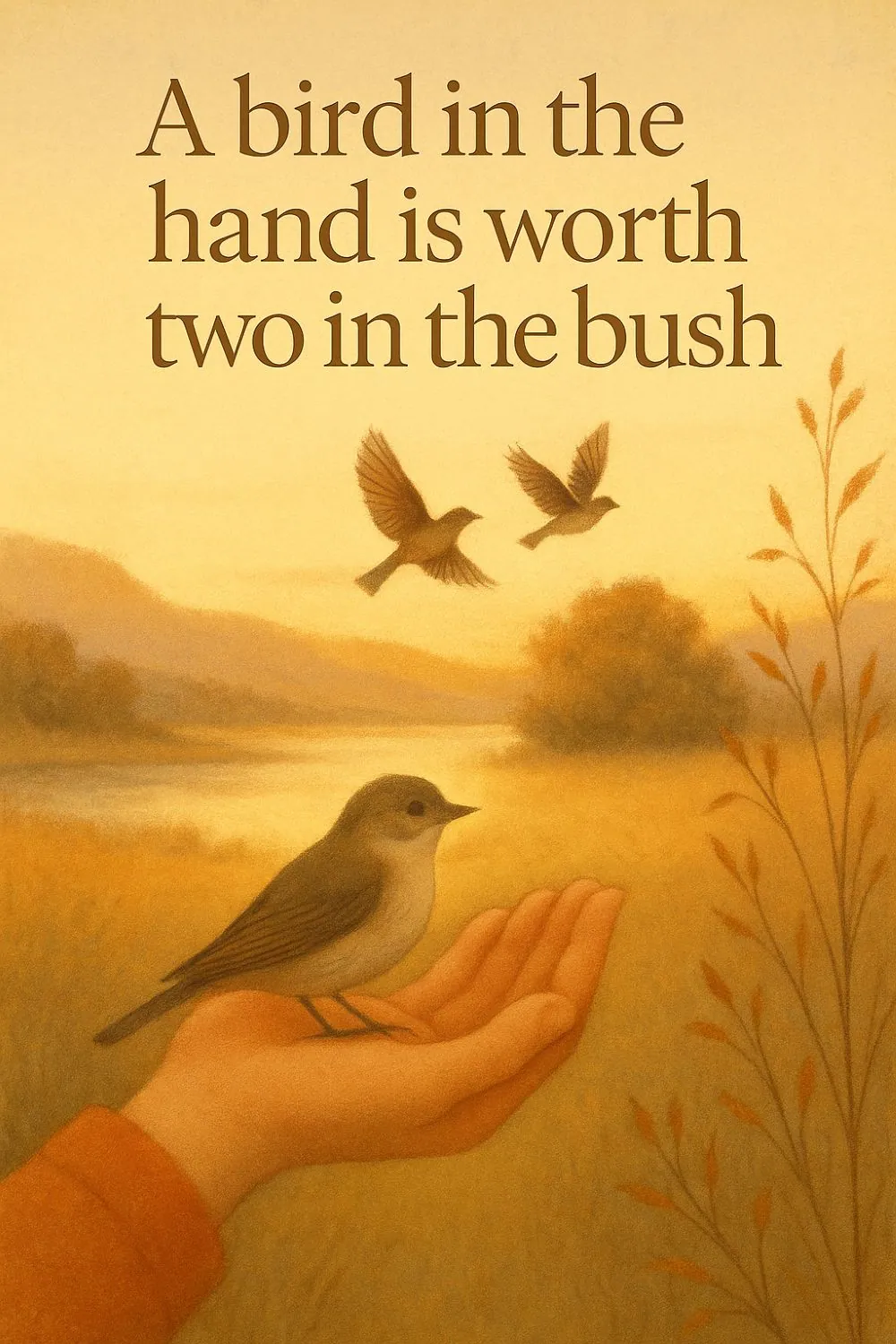
teaches us to appreciate what we already have instead of risking it for something that might be better. This idiom is about weighing the value of certainty against the appeal of possibility.
The wisdom comes from hunting and bird-catching – if you already have one bird caught, it's often smarter to keep it rather than letting it go to chase two birds that might fly away. In life, this applies to job offers, relationships, investment opportunities, and countless other situations where we have to choose between security and potential.
Example 1: Though the startup offered more money, Kevin decided a bird in the hand is worth two in the bush and stayed with his stable government job.
Example 2: "I know that apartment across town looks amazing, but a bird in the hand is worth two in the bush – this place is affordable and available now," Lisa reasoned.
Example 3: The artist had to choose between a guaranteed gallery showing and the possibility of a bigger exhibition, ultimately deciding that a bird in the hand is worth two in the bush.
15. Like a fish out of water
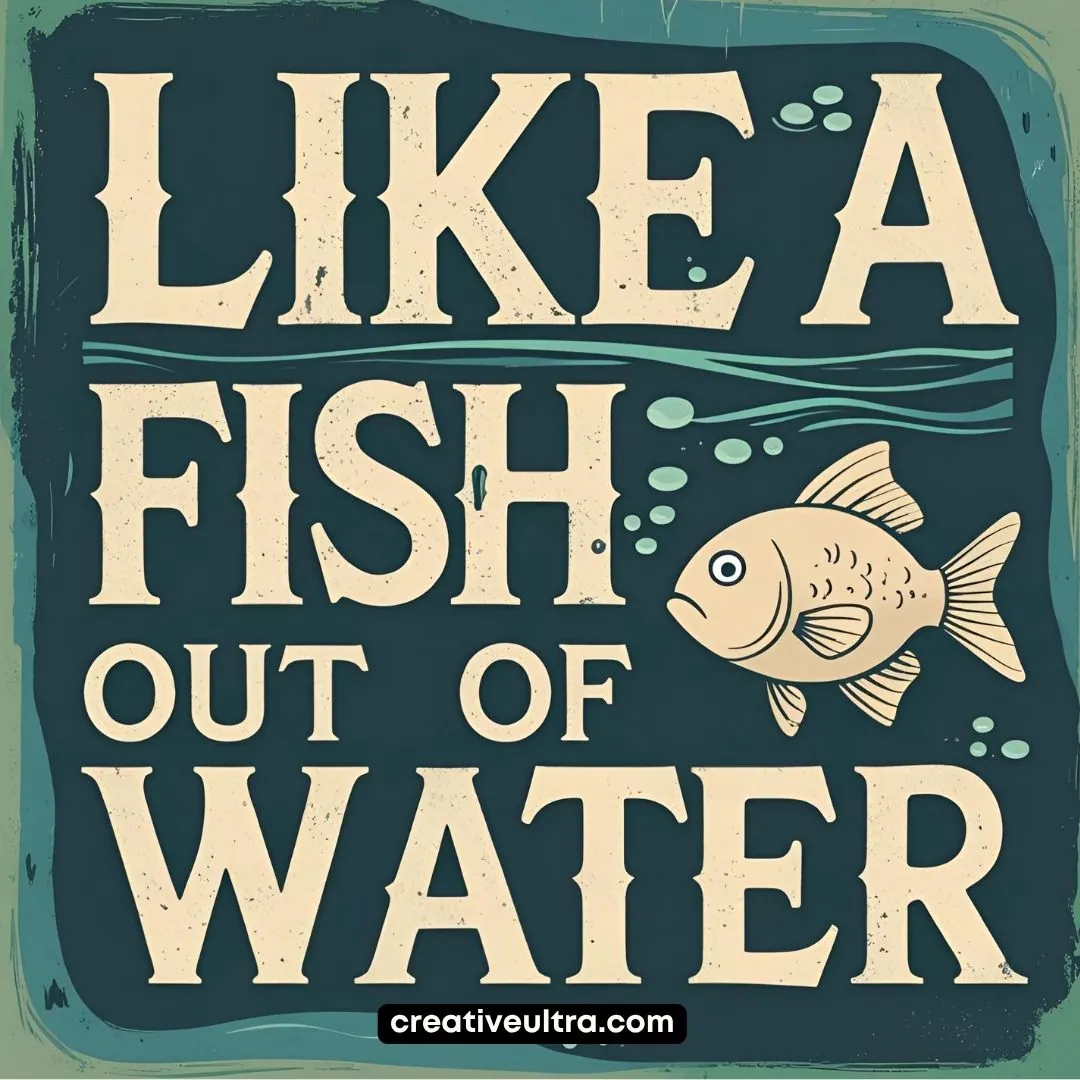
perfectly describes that uncomfortable feeling of being somewhere you don't belong or don't understand. Picture a fish flopping around on dry land – that's exactly how awkward and out of place you feel in certain situations.
We've all been fish out of water at some point. Maybe it was your first day at a new job, attending a fancy dinner party when you're more of a pizza person, or trying to fit in with a group that shares interests you know nothing about. This idiom captures that universal experience of feeling displaced and uncomfortable.
Example 1: At the country club golf tournament, the construction worker felt like a fish out of water surrounded by executives in expensive polo shirts.
Example 2: "I feel like a fish out of water at these tech conferences – everyone speaks in acronyms I don't understand," the marketing manager confessed.
Example 3: When her city friends visited her small hometown, Maria watched them look like fish out of water at the local diner.
Natural Elements and Life's Flow
Nature's elements – water, earth, fire, and air – have always influenced how we understand life's rhythms and challenges. These elemental idioms help us describe the flow and forces that shape our experiences.
From calm waters to rocky terrain, these expressions connect our human experiences to the fundamental forces of nature that surround us every day.
16. Go with the flow

encourages flexibility and adaptability when life doesn't go according to plan. This idiom comes from the wisdom of water, which naturally flows around obstacles rather than fighting against them. Sometimes the smartest approach is to bend rather than break.
This doesn't mean being passive or giving up on your goals. Instead, it's about recognizing when fighting against circumstances is pointless and when adapting your approach might lead to better outcomes. Like a river that finds its way to the sea despite rocks and barriers, going with the flow can help you reach your destination more peacefully.
Example 1: When the wedding venue canceled last minute, the bride decided to go with the flow and move the ceremony to her grandmother's garden.
Example 2: "Traffic is terrible, but let's just go with the flow and enjoy the extra time to chat," Mark told his stressed-out passenger.
Example 3: The vacation didn't go as planned due to weather, but the family learned to go with the flow and discovered hidden gems they never would have found otherwise.
17. Test the waters

means trying something carefully or cautiously before fully committing to it. Just like dipping your toe in a lake before jumping in, this idiom is about smart exploration and gradual involvement.
This approach makes sense for big decisions like career changes, relationships, investments, or any situation where you want to get a feel for things before diving in completely. Testing the waters helps you gather information and build confidence while minimizing risk.
Example 1: Before quitting her corporate job to become a freelance writer, Amanda decided to test the waters by taking on a few small projects.
Example 2: The couple tested the waters of living together by spending long weekends at each other's apartments.
Example 3: "Let's test the waters with a small social media campaign before investing in a major marketing push," the business owner suggested.
18. In deep water
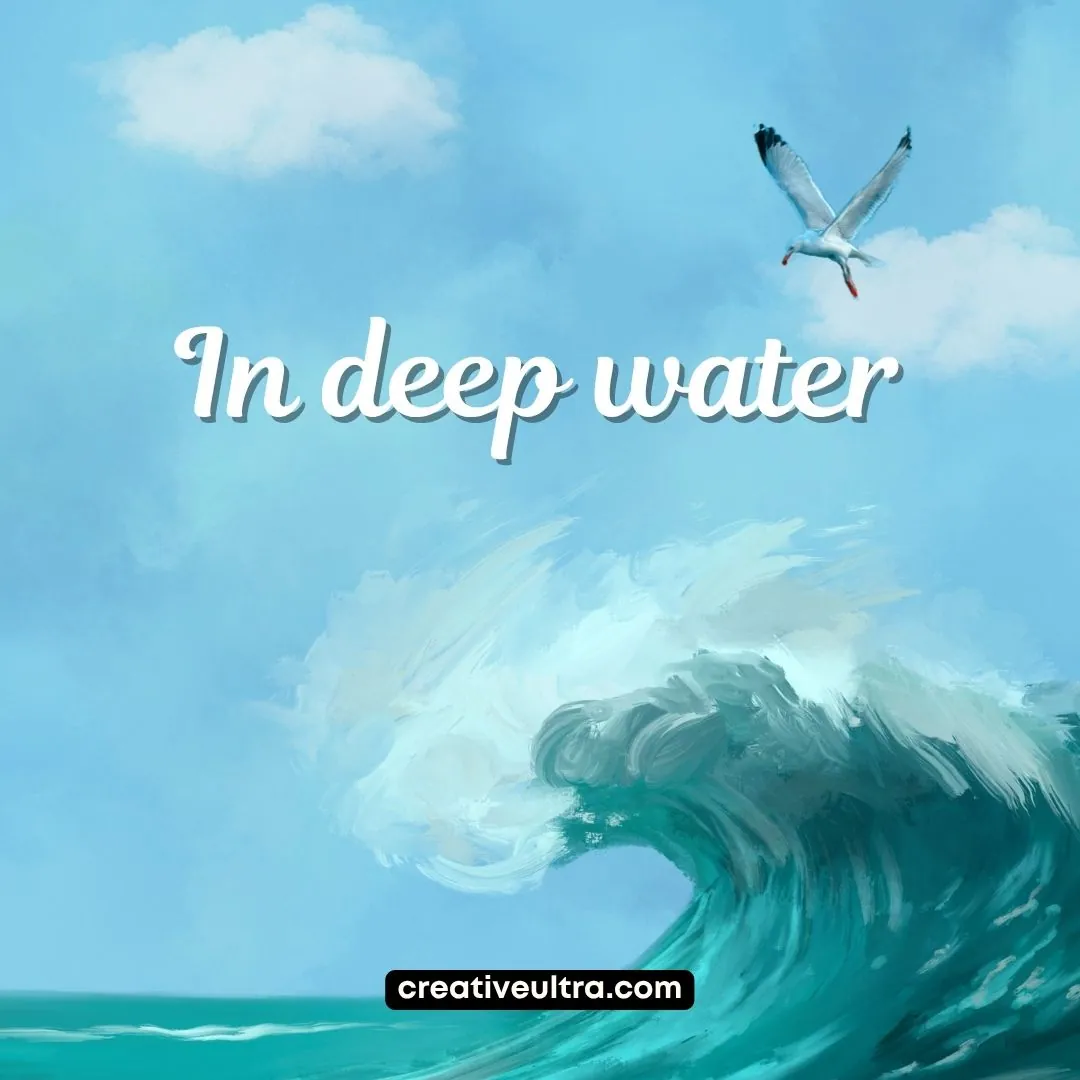
describes being in serious trouble or facing a difficult situation that's hard to get out of. This idiom captures that sinking feeling when problems are overwhelming and you're struggling to keep your head above water.
The imagery is powerful – when you're in deep water, you can't touch the bottom, and swimming becomes essential for survival. In life, these deep water moments might be financial troubles, legal problems, relationship crises, or any situation where the stakes are high and the solutions aren't obvious.
Example 1: After discovering the accounting errors, the small business owner realized he was in deep water with the tax authorities.
Example 2: "I'm in deep water with this project deadline – I underestimated how much work it would take," Sarah admitted to her boss.
Example 3: The teenager knew she was in deep water when her parents found out she had been lying about her grades.
19. Still waters run deep
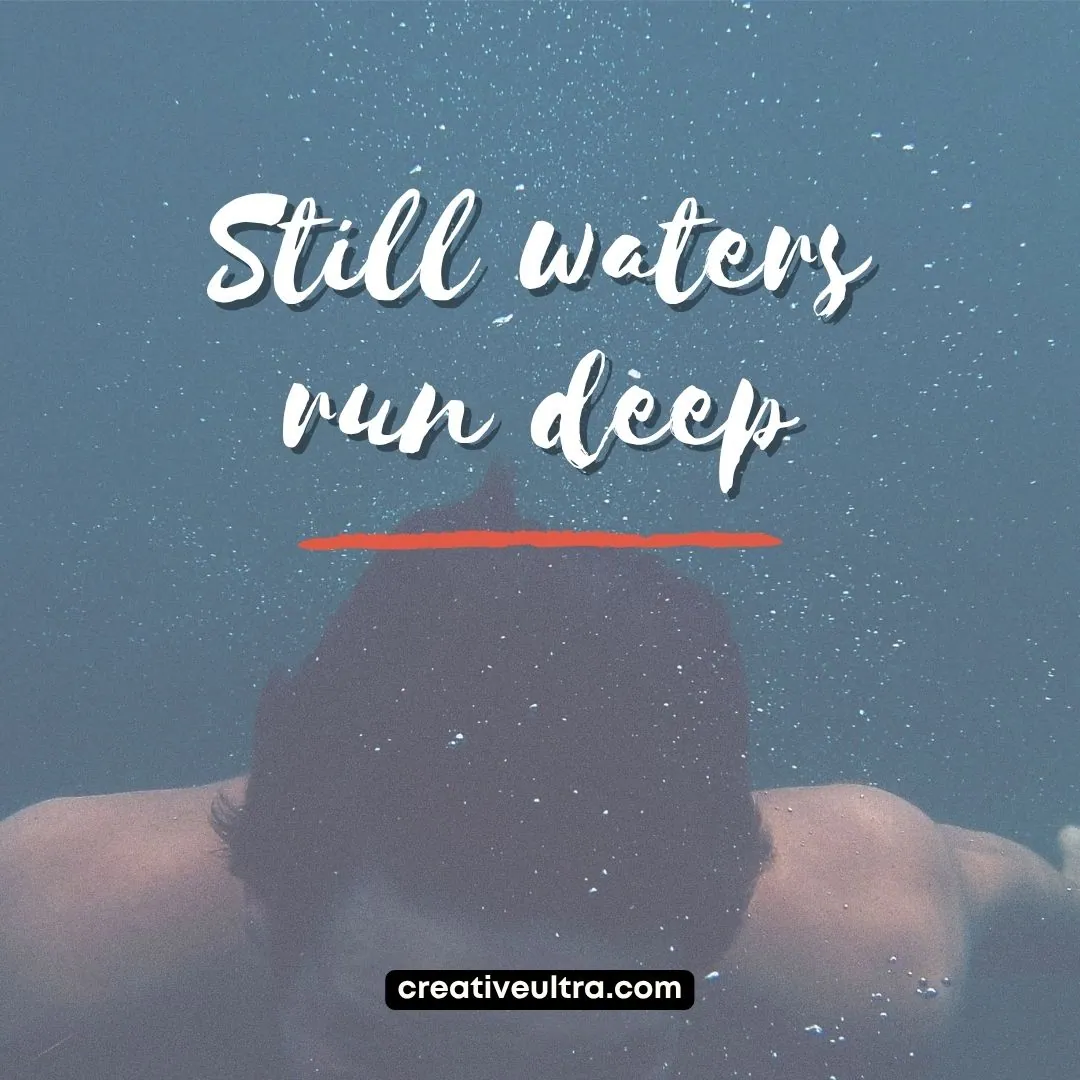
reminds us that quiet, reserved people often have rich inner lives and profound thoughts. This idiom challenges our assumptions about personality types, suggesting that the loudest person in the room isn't necessarily the most interesting or insightful.
Like a calm lake that might be surprisingly deep, people who don't say much often have fascinating depths worth discovering. This expression encourages us to look beyond surface appearances and appreciate the complexity that exists in everyone, especially those who express themselves more quietly.
Example 1: Though Emma rarely spoke up in meetings, her colleagues learned that still waters run deep when she presented a brilliant solution to their biggest problem.
Example 2: "Don't underestimate the new guy – still waters run deep, and I think he has some amazing ideas," the team leader advised.
Example 3: The quiet librarian surprised everyone at the poetry reading, proving that still waters run deep when she performed her emotionally powerful original work.
20. Muddy the waters

means making a situation more confusing or complicated than it needs to be. Just like stirring up dirt in a clear pond makes it impossible to see the bottom, this idiom describes what happens when someone introduces unnecessary complexity or confusion.
Whether it's done intentionally to avoid responsibility or accidentally through poor communication, muddying the waters makes it harder for everyone to understand what's really going on. Clear communication is like keeping water clean – it helps everyone see the truth more clearly.
Example 1: The politician tried to muddy the waters by bringing up irrelevant issues when asked about campaign funding.
Example 2: "Let's not muddy the waters with too many options – just give me three clear choices," the overwhelmed customer requested.
Example 3: Adding more people to the decision-making process only muddied the waters and delayed the project further.
Seeds of Success and Growth
Seeds represent potential, hope, and the promise of growth. These seed-related idioms capture the essence of beginnings, investments in the future, and the patient work required to achieve meaningful results.
Every great achievement starts small, like a seed that contains the blueprint for something magnificent. These expressions remind us that big changes often begin with tiny actions.
21. Plant a seed
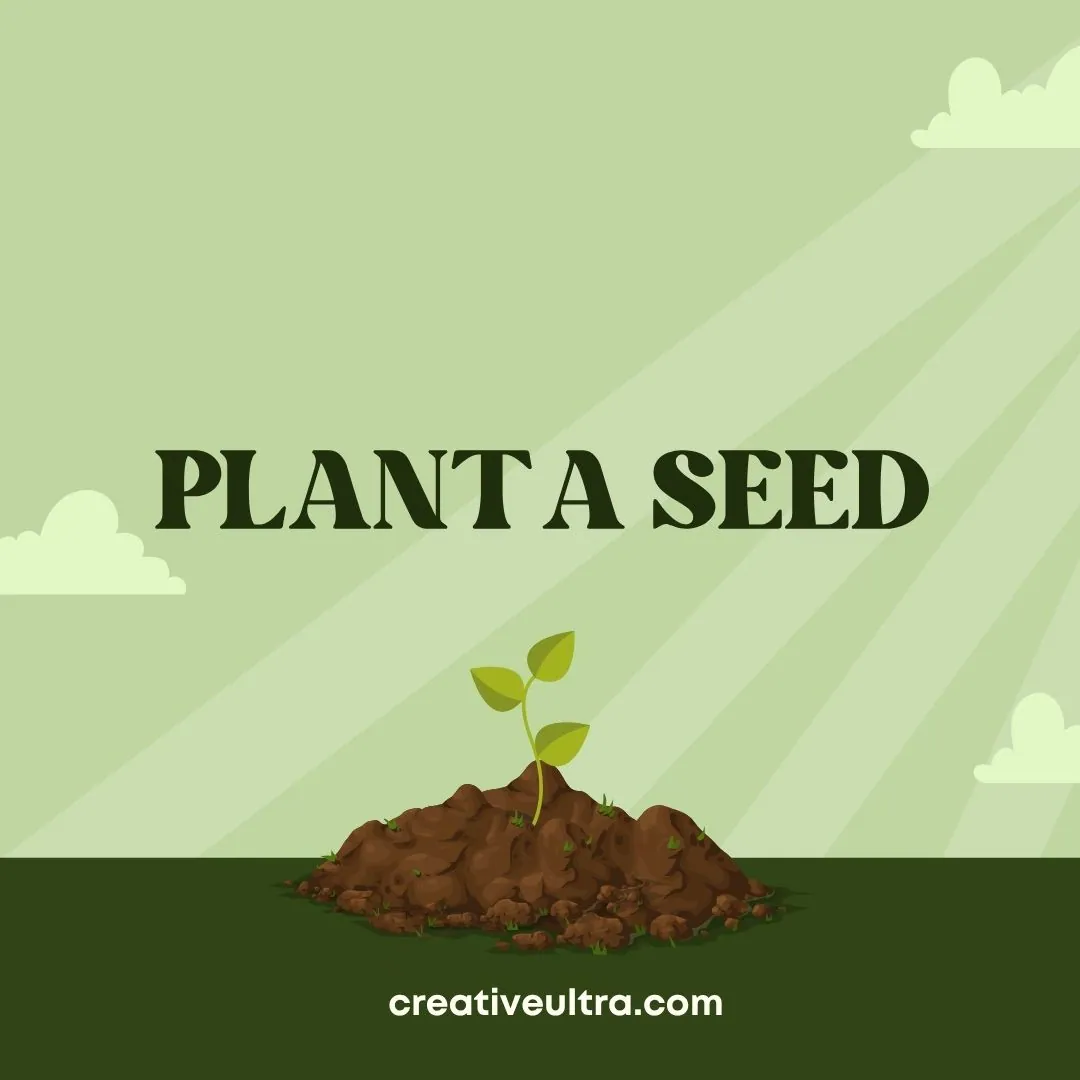
It means introducing an idea or suggestion that might grow and develop over time. Like dropping a seed in fertile soil, you're not expecting immediate results, but you're hoping that with time and the right conditions, something good will sprout.
This idiom is perfect for those moments when you want to influence someone's thinking without being pushy. Whether you're suggesting a career change to a friend, proposing a new business idea, or helping someone consider a different perspective, planting seeds is about gentle influence and patience.
Example 1: The guidance counselor planted a seed about college possibilities during their casual conversation, knowing the student needed time to consider her options.
Example 2: "I'm just planting a seed here, but have you ever thought about learning a second language for your career?" Maria suggested to her colleague.
Example 3: The documentary planted a seed of environmental awareness that eventually led the family to adopt a completely sustainable lifestyle.
22. Sow your wild oats

refers to going through a period of youthful experimentation and fun before settling down to more serious responsibilities. This idiom comes from farming – wild oats were weeds that needed to be gotten out of the system before planting the real crop.
The expression acknowledges that it's natural for young people to explore, make mistakes, and have adventures before they're ready for long-term commitments. It's not about being reckless, but rather about the healthy process of discovering who you are and what you want from life.
Example 1: "I know you're worried about Jake's party phase, but maybe he just needs to sow his wild oats before he's ready to settle down," his sister reassured their mother.
Example 2: After years of traveling and trying different jobs, Lisa felt ready to stop sowing her wild oats and focus on building a career.
Example 3: The college years are often when people sow their wild oats, experimenting with different interests and relationships.
23. Reap what you sow
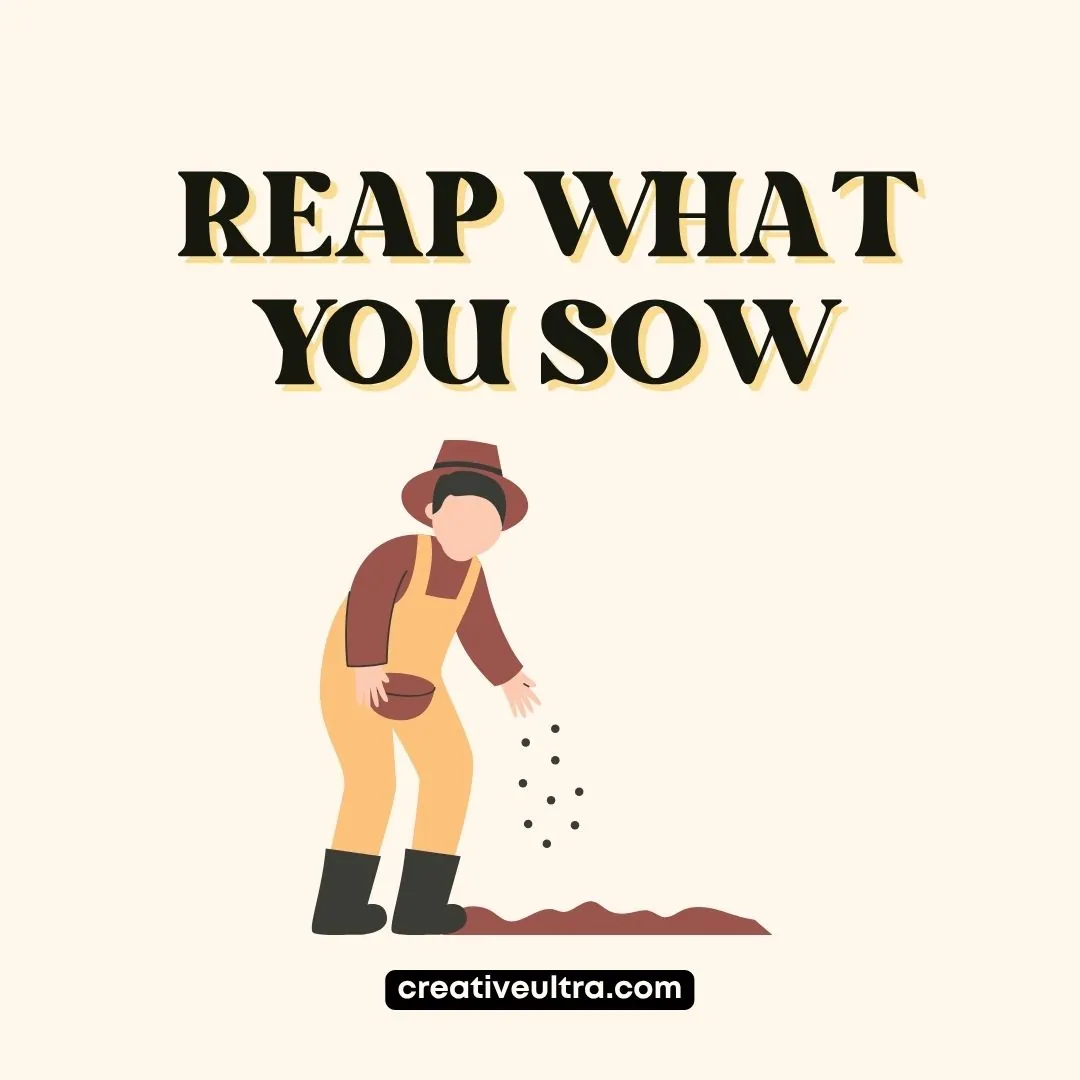
is the universal law of consequences – whatever effort, energy, or intention you put into something is generally what you'll get back. This farming wisdom translates perfectly to life, relationships, and work.
The beauty of this idiom is that it works both ways. Plant kindness, and you'll likely harvest friendship. Invest time in learning, and you'll reap knowledge and opportunities. But if you sow laziness or meanness, don't be surprised when that's what comes back to you.
Example 1: After years of networking and helping colleagues with their projects, David reaped what he sowed when job opportunities started coming his way.
Example 2: "She's always gossiping about others, so now she's reaping what she sowed when people don't trust her with their secrets," observed her coworker.
Example 3: The couple's marriage thrived because they both understood that you reap what you sow – they invested daily effort in kindness and communication.
24. The fruit doesn't fall far from the tree
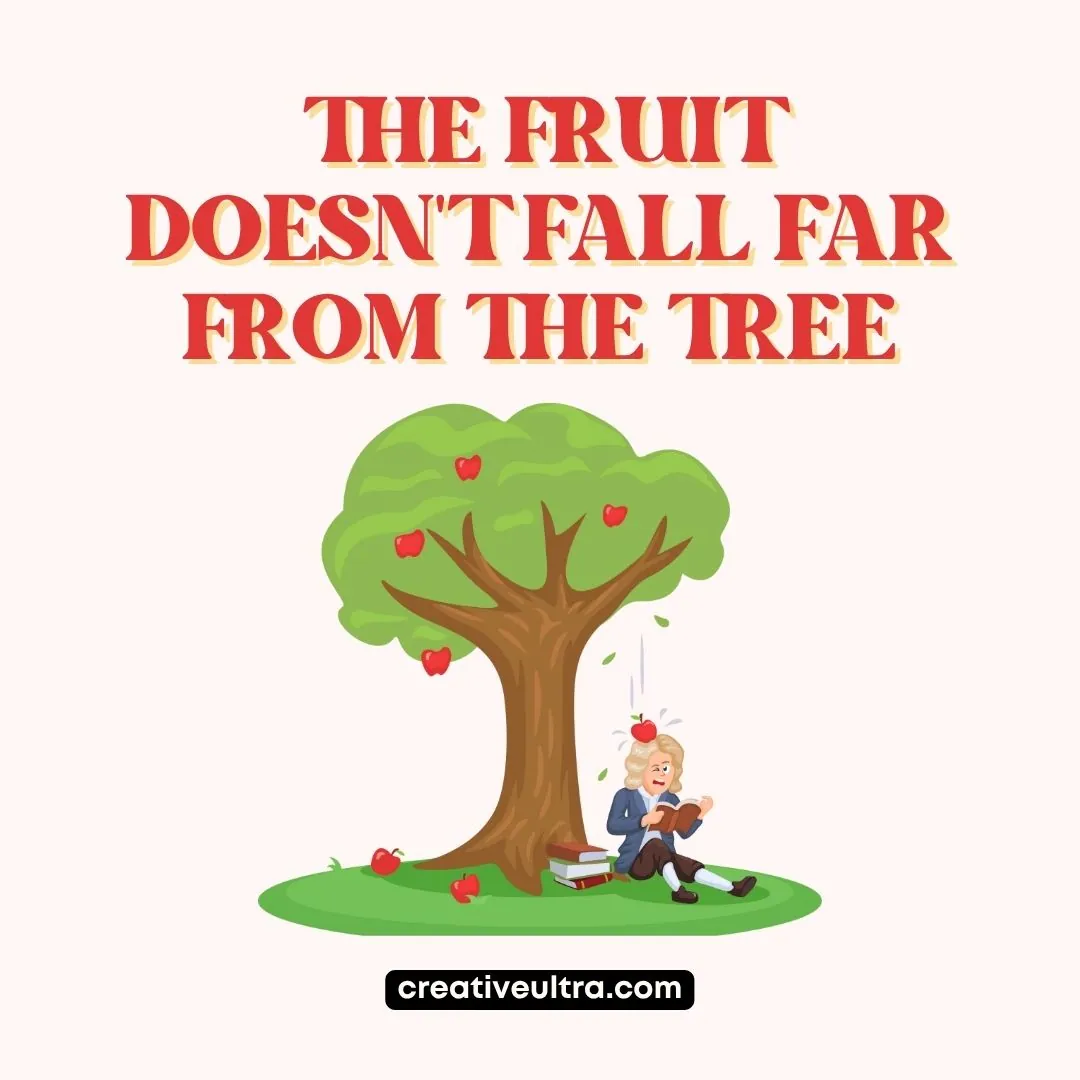
observes that children often resemble their parents in personality, behavior, or abilities. This idiom captures how traits, values, and patterns tend to pass from one generation to the next, just like fruit that drops close to its parent tree.
While genetics play a role, this expression is more about environment and influence. Kids absorb attitudes, habits, and ways of thinking from the adults around them. Sometimes this is wonderful – artistic talent, kindness, or work ethic getting passed down. Other times, it might explain why certain challenges seem to run in families.
Example 1: "Looking at how organized and punctual Sophie is, the fruit doesn't fall far from the tree – her mother is exactly the same way," noticed her teacher.
Example 2: When the young musician won the talent show, everyone said the fruit doesn't fall far from the tree, since both his parents were professional musicians.
Example 3: The teenager's entrepreneurial spirit didn't surprise anyone who knew his family – the fruit doesn't fall far from the tree in that household of business owners.
25. Bear fruit

means that your efforts are finally paying off and producing positive results. Just like a fruit tree that grows for years before producing its first harvest, this idiom celebrates those satisfying moments when hard work leads to success.
The timing aspect is important here – fruit doesn't appear overnight. This expression acknowledges that meaningful achievements often require patience, persistence, and faith that your efforts will eventually bear fruit. It's especially encouraging during those middle stages when you're working hard but haven't seen results yet.
Example 1: After months of networking and skill-building, Maria's job search finally began to bear fruit with multiple interview requests.
Example 2: The community garden project started small, but three years later it's really bearing fruit with fresh vegetables for dozens of families.
Example 3: "I know the language lessons feel slow now, but trust me, your dedication will bear fruit when you visit Spain next year," the teacher encouraged.
Save it on Pinterest
Final Thoughts
Nature idioms do something magical – they turn ordinary conversations into shared experiences that everyone can picture and feel. When you say you're "blooming where you're planted" or "weathering the storm," you're not just sharing information. You're connecting with the natural world that surrounds us all and tapping into wisdom that's been passed down through generations.
These expressions work because they're grounded in universal experiences. We've all seen flowers bloom, watched storms pass, and observed how different animals behave. When we borrow this natural imagery for our human experiences, we create understanding that goes deeper than simple words.
Start sprinkling these idioms into your daily conversations and watch how they change the energy of your interactions. Instead of saying someone is successful, tell them they're "bearing fruit." Rather than calling someone energetic, say they're "fresh as a daisy." These small changes will make your words more memorable, your stories more engaging, and your connections more meaningful. Let your conversations grow wild and see what blossoms.